Winter transforms the American Southwest into a landscape of crisp mornings, clear skies, snow-dusted mountains, and comfortable desert afternoons. This guide brings together the region’s most rewarding cold-season escapes, from red-rock national parks and high-country ski towns to art-filled cities, restorative resorts, and dog-friendly road-trip stops.
Plan for dramatic temperature swings: a sunny midday hike can follow a freezing sunrise, especially at elevation. Reserve popular lodging early, check road and trail conditions before departing, and build flexibility into every itinerary so weather can become part of the adventure rather than a disruption.
| Winter planning principle. Pair a mild desert base with one high-country excursion, then leave room for scenic drives, warm meals, and slower afternoons at a resort or local café. |
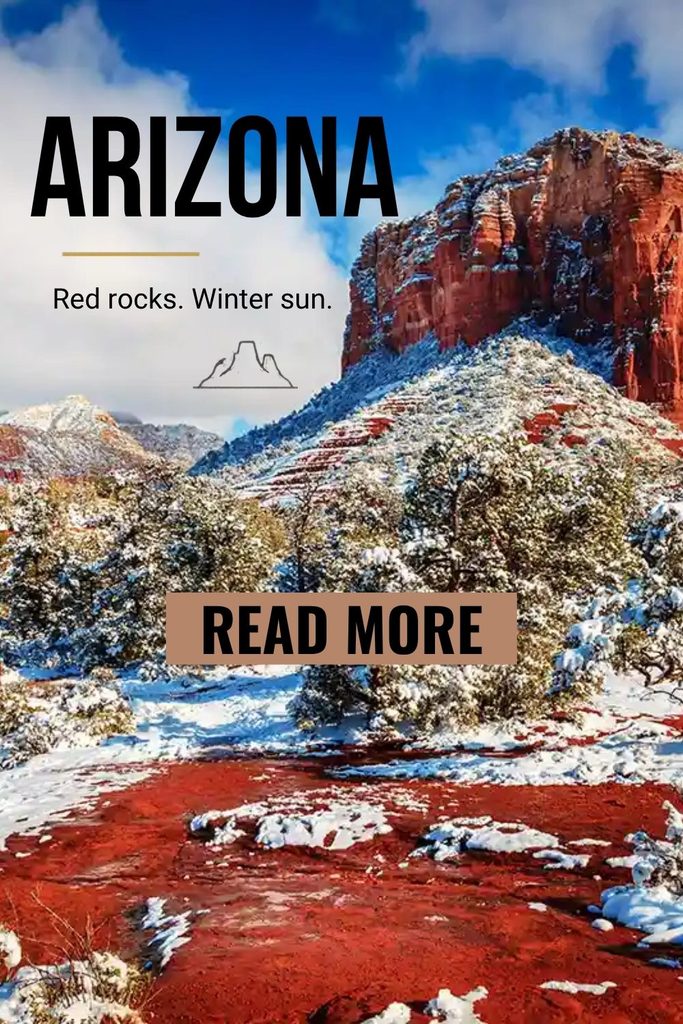
Arizona: Red Rocks, Grand Vistas, and Desert Sun
Arizona is one of the easiest places to enjoy a winter getaway without sacrificing outdoor time. Lower-elevation cities offer bright, mild days, while northern landscapes bring snow, fir forests, and a distinctly alpine atmosphere. A road trip can connect Sedona, the Grand Canyon, Flagstaff, and the Sonoran Desert, although elevation changes make layered clothing and careful driving essential.
Sedona and Red Rock Country
Sedona’s red-rock formations glow in low winter light, making the season especially appealing for photography and hiking. Choose trails around Bell Rock, Cathedral Rock, or Boynton Canyon according to your experience and current conditions, and begin early for quieter paths. The town’s galleries, wellness studios, restaurants, and scenic overlooks provide inviting alternatives when wind or cold moves in. Enchantment Resort and L’Auberge de Sedona are well-known examples of stays that turn the landscape into part of the experience.
Grand Canyon and Flagstaff
The South Rim combines winter drama with broad access to viewpoints, ranger programming, and rim walks when conditions allow. Snow can make the canyon especially beautiful, but ice and limited services require preparation. Nearby Flagstaff adds historic neighborhoods, craft breweries, Lowell Observatory, and a genuine mountain-town feel. Treat the drive between desert and rim as a destination in itself, with fuel, water, and traction supplies on hand.
Phoenix, Scottsdale, and Tucson
For warmer winter travel, base yourself in Scottsdale or Phoenix for resort pools, desert gardens, golf, and day trips into the McDowell Sonoran Preserve. Tucson offers a more intimate cultural scene, the Arizona-Sonora Desert Museum, and Saguaro National Park’s cactus-lined drives and trails. Sunset walks are particularly rewarding when the air is cool and the mountains turn rose-gold.
Utah: National Parks and High-Country Escapes
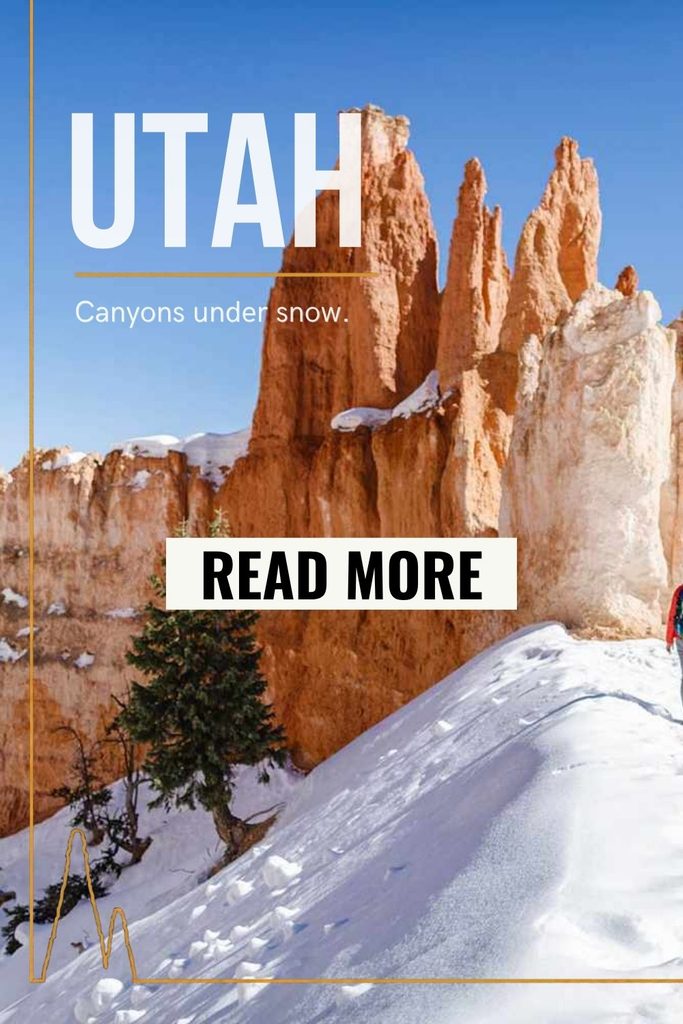
Utah’s winter appeal comes from contrast: red cliffs may sit beneath a pale blue sky while nearby plateaus hold snow deep enough for skiing. The state rewards travelers who slow down between national parks rather than attempting to collect every viewpoint in one day. Check road closures and shuttle arrangements before visiting, and remember that shaded canyon roads can remain icy long after surrounding pavement looks clear.
Zion National Park
Winter brings a quieter mood to Zion’s towering sandstone corridors. Scenic drives, overlooks, and lower-elevation trails can be wonderfully accessible, while higher routes may be icy or closed by conditions. Walk the Pa’rus Trail for broad valley views, visit Springdale for galleries and cafés, and allow time simply to watch changing light move across the canyon walls. Zion Lodge and the inns of Springdale make practical bases for early starts and scenic evenings.
Bryce Canyon and Cedar City
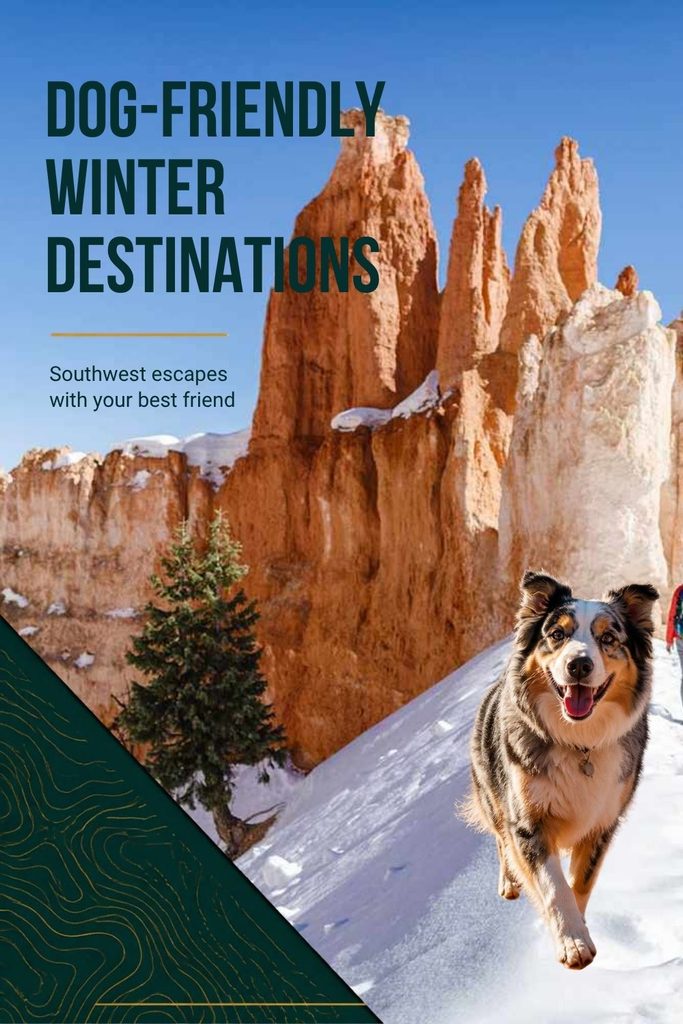
Bryce Canyon’s hoodoos become especially vivid when edged with frost or snow. The rim viewpoints are accessible in many winter conditions, but hiking the amphitheater requires traction and care. Cedar City provides dining, arts programming, and a useful gateway for travelers who prefer a larger selection of services. The route between Bryce and Zion is beautiful, but winter weather can turn it into a slow, demanding drive.
Moab, Arches, and Canyonlands
Moab’s cool temperatures are ideal for hiking among the arches without summer heat. Sunrise at Delicate Arch, Balanced Rock, or Mesa Arch can be memorable, though darkness and ice require headlamps, layers, and conservative route choices. Canyonlands rewards a full day of overlooks and expansive drives. Consider a guided four-wheel-drive outing only with an experienced operator and a clear understanding of weather limitations.
Salt Lake City and Park City
For a more resort-centered trip, combine Salt Lake City’s museums and restaurants with Park City’s ski slopes, mountain dining, and lively main street. A winter base here works well for travelers who want snow sports by day and comfortable lodging, spas, or cultural outings afterward.
New Mexico: High Desert Culture, Ski Towns, and Open Sky
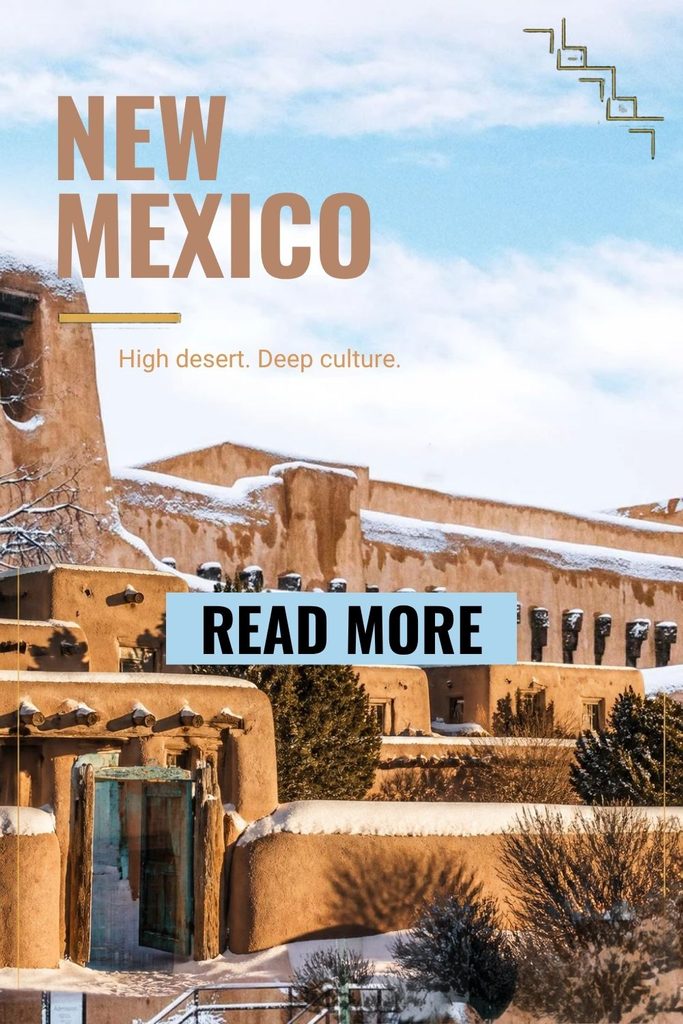
New Mexico combines a gentle winter rhythm with some of the Southwest’s richest cultural landscapes. Adobe architecture, chile-forward cuisine, hot springs, and mountain scenery create a trip that feels both restorative and deeply rooted in place. Conditions vary sharply between the high desert and southern parks, so build itineraries around elevation rather than distance alone.
Santa Fe
Santa Fe is a natural winter base for galleries, museums, historic adobe streets, and long meals warmed by red or green chile. Spend a morning around the Plaza and Canyon Road, then explore the Georgia O’Keeffe Museum or a contemporary art space before settling into a cozy restaurant. Ten Thousand Waves offers a popular spa-oriented retreat, while the Inn of the Five Graces and smaller adobe inns suit travelers who want architecture and atmosphere close to the center.
Taos and the Enchanted Circle
Taos brings a more rugged mountain character, with art studios, the Taos Pueblo area, winter sports, and views toward the Sangre de Cristo Mountains. Skiers can look toward Taos Ski Valley, while non-skiers may prefer scenic drives, galleries, or a soaking session. The Enchanted Circle route through Red River, Questa, and Eagle Nest is beautiful but weather-sensitive; treat it as a flexible loop rather than a fixed timetable.
Albuquerque
Albuquerque works well as a gateway to central New Mexico, pairing Old Town, the National Hispanic Cultural Center, local breweries, and the Sandia Mountains. Ride or drive toward the crest only after checking conditions, then return to the city for New Mexican comfort food and a slower evening.
White Sands and Southern New Mexico
White Sands National Park offers an otherworldly winter outing, with cool temperatures making dune walks more comfortable than in warmer months. Bring water, eye protection, and footwear that can handle fine gypsum sand. Nearby Las Cruces, Truth or Consequences, and Ruidoso broaden the trip with wineries, hot springs, mountain recreation, and restorative resort stays such as Ojo Santa Fe or El Monte Sagrado.
Nevada: Desert Landscapes, Bright Nights, and Quiet Roads
Nevada makes an excellent winter base for travelers who want to combine lively city comforts with dramatic desert scenery. Las Vegas can anchor a long weekend, while Red Rock Canyon, Valley of Fire, Lake Mead, and Great Basin National Park offer very different versions of the state’s open landscapes. Temperatures drop quickly after sunset, so even a desert itinerary needs a warm layer and a reliable vehicle plan.
Las Vegas
Las Vegas is more than a nightlife stop in winter. Use the cooler season for long walks through resort promenades, museum visits, live performances, destination dining, and day trips beyond the Strip. The Bellagio, Wynn Las Vegas, and other major resorts provide indoor amenities when weather turns windy, while Downtown Las Vegas adds independent restaurants, galleries, and a more local atmosphere. Balance the intensity of the city with a quiet morning and an early desert outing.
Red Rock Canyon and Valley of Fire
Red Rock Canyon is close enough for a half-day escape, with scenic drives, climbing areas, and trails that reveal layered sandstone. Valley of Fire requires more driving but rewards visitors with vivid formations, petroglyphs, and a sense of solitude. Reserve or confirm access requirements where needed, carry more water than you expect to use, and never assume a short trail is risk-free in winter darkness.
Lake Mead and Great Basin
Lake Mead National Recreation Area offers broad desert horizons, shoreline viewpoints, and routes suited to a relaxed road trip. Great Basin National Park feels more remote and alpine, with bristlecone pines, cave tours, and mountain conditions that can be substantially colder than Las Vegas. It is best for travelers comfortable with self-sufficient planning and changing access conditions.

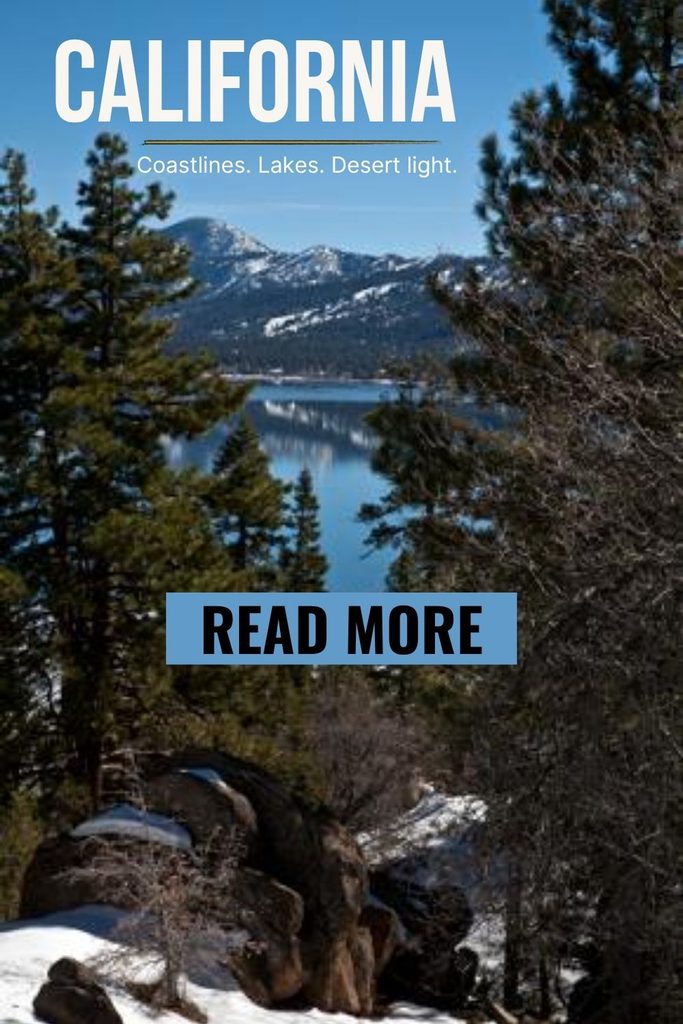
Southern California: Palm Springs, Joshua Tree, and Desert National Parks
Southern California’s desert corridor is one of the most accessible winter getaway regions in the Southwest. Palm Springs brings mid-century design, poolside resorts, spas, and restaurants, while Joshua Tree and Death Valley deliver vast horizons and striking geology. The best trips alternate active mornings with unhurried afternoons, because even mild winter sun can feel intense on exposed trails.
Palm Springs and the Coachella Valley
Base yourself in Palm Springs for architecture walks, the Palm Springs Art Museum, botanical gardens, golf, and restorative spa time. Nearby communities such as Palm Desert and Rancho Mirage add resort options, shopping, and mountain views. The Ritz-Carlton Rancho Mirage and Palm Mountain Resort illustrate the range from polished retreat to practical central base, while the valley’s tram and canyon landscapes offer cooler elevations when you want a change of scene.
Joshua Tree National Park
Joshua Tree rewards early starts, especially for sunrise among its namesake trees and granite boulders. Combine a short trail with Keys View, Barker Dam, or a stargazing evening, and allow extra time for winding roads between trailheads. The park has limited services, so carry food, water, layers, and offline navigation. Town lodging ranges from simple motels to distinctive cabins and design-led desert stays.
Death Valley National Park
Winter is a particularly comfortable season for exploring Death Valley’s immense scale. Visit Badwater Basin, Zabriskie Point, Mesquite Flat Sand Dunes, and Artists Drive when roads are open and conditions permit. Distances are large and services are sparse; fuel up before entering remote areas, protect your vehicle from rough roads, and keep a conservative schedule rather than trying to see every basin and overlook.
Best Winter Getaways in Colorado
Colorado adds a high-country dimension to a Southwest winter journey, with powder-covered peaks, lively mountain towns, and lower-elevation escapes that remain inviting when snow is falling. Plan around elevation and road conditions, and balance active days outdoors with warming meals, galleries, and fireside relaxation.
Breckenridge
Breckenridge is a classic winter base for skiing and snowboarding, with broad terrain and a welcoming atmosphere for experienced visitors and beginners alike. Beyond the slopes, the historic downtown brings colorful Victorian buildings, independent shops, cafés, and restaurants that make it easy to enjoy a full day without a lift ticket. Stroll along Main Street in the evening, when the mountain-town setting feels especially inviting.
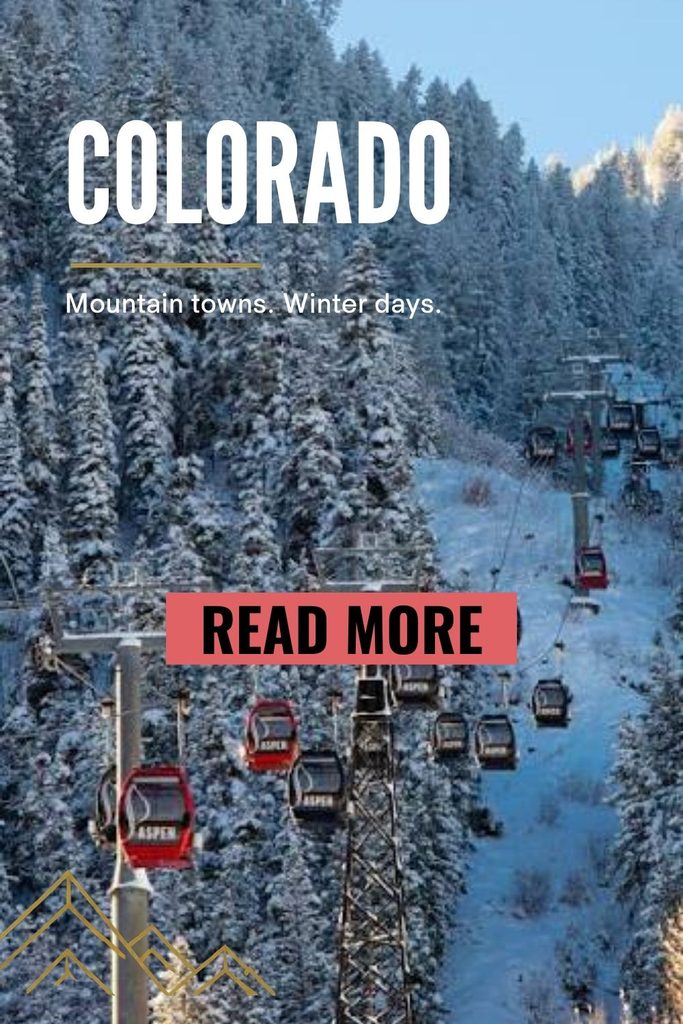
Aspen
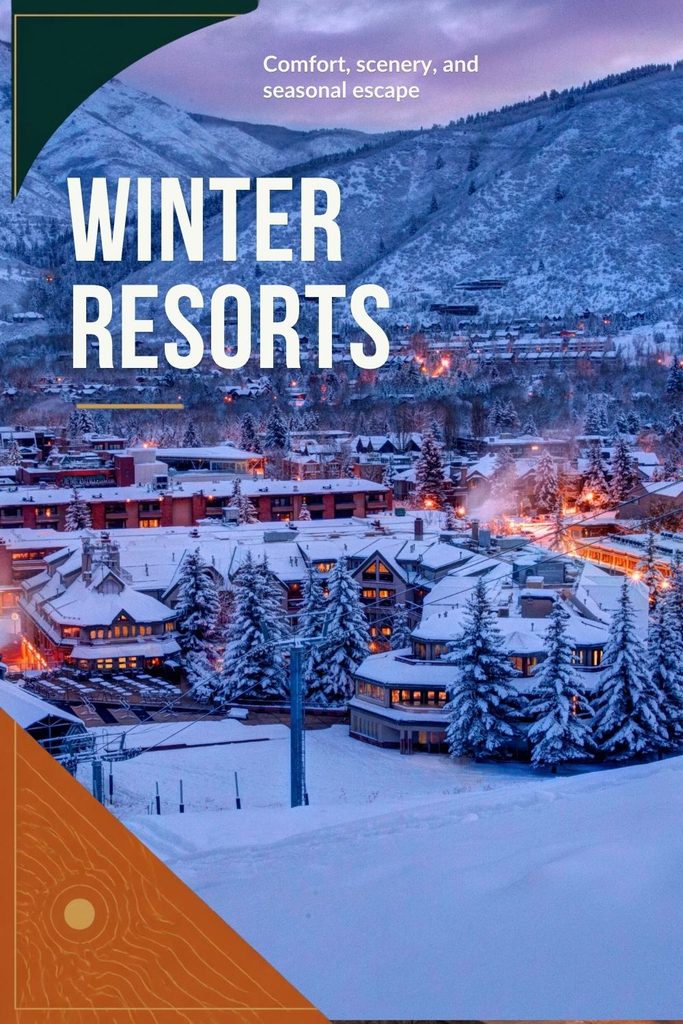
Aspen pairs world-class skiing with polished winter travel. Its mountains offer varied terrain, while the town adds designer boutiques, acclaimed restaurants, galleries, and refined spas. Choose Aspen for a celebratory escape or a luxurious base where snowy mornings can lead into leisurely lunches and elegant evenings. Even non-skiers can fill the day with scenic walks, cultural stops, and restorative time by the fire.
Telluride
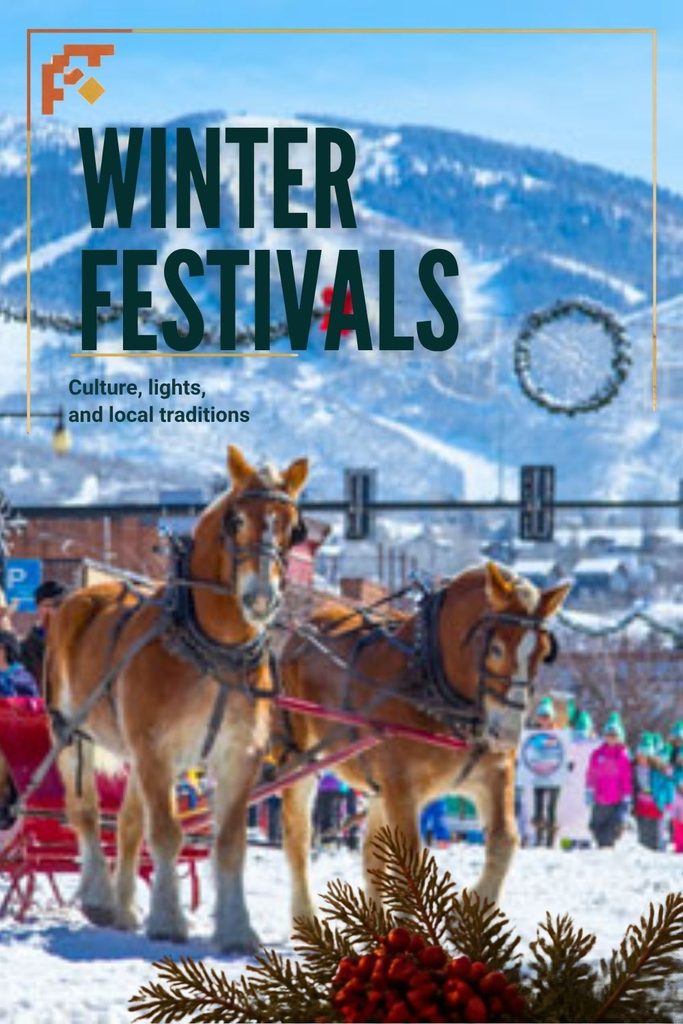
Telluride combines a scenic mountain town with dramatic peaks and an intimate sense of place. Skiing and snowboarding are central attractions, but the compact streets, historic architecture, and independent restaurants reward slower exploration. Winter festivals and community gatherings add energy to the season without taking away from the town’s relaxed character. The surrounding scenery also makes the journey part of the experience.
Colorado Springs
Colorado Springs offers milder winter adventures at a lower elevation. Visit Garden of the Gods for striking red-rock formations and accessible scenic walks, then pair the outing with museums, cafés, or views toward Pikes Peak. It is a practical choice for travelers who want dramatic landscapes without committing to a full ski-resort itinerary, especially when clear days make outdoor sightseeing comfortable.
Plan a Smoother Southwest Winter Trip
The most rewarding winter getaways in the American Southwest leave room for contrast: sunrise in a cold canyon, lunch in a sunny town, and an evening beside a fireplace or resort patio. Choose one primary region rather than overloading the itinerary, then add day trips only after checking elevation, road conditions, and daylight.
- Pack in layers for desert afternoons, freezing overlooks, and cold hotel nights.
- Check conditions through official park, road, and weather sources before every remote drive or hike.
- Reserve strategically for popular resorts, national park gateway towns, and dog-friendly rooms with limited inventory.
- Respect the landscape by staying on marked trails, carrying water, protecting cultural sites, and leaving no trace.
- Travel with flexibility so a storm, icy trail, or delayed scenic drive becomes an invitation to explore local food, art, museums, or a restorative soak.
With thoughtful preparation, winter reveals the Southwest at its clearest and most memorable: quieter national parks, luminous red rock, welcoming communities, and the freedom to build a trip around both adventure and rest.
Check out other Winter Activities Below